
Airalo vs Nomad vs Saily: Which eSIM Provider Leads in 2026?
Explore an in-depth comparison of the three top-rated eSIM providers for U.S. users, travellers, remote workers, and global professionals. Compare coverage, pricing, activation, security and value.
Understanding eSIM Technology
The term “eSIM” stands for Embedded Subscriber Identity Module, and it marks a pivotal change in how mobile connectivity works. Rather than inserting a physical SIM card into your device, installation is handled digitally. A device that is eSIM-capable can download a mobile profile via QR code or an app, and instantly connect to a mobile network.
For U.S. users who travel abroad, maintain remote connections, or manage multiple devices, eSIMs are particularly valuable. They eliminate shipping delays, simplify plan switching, and avoid expensive roaming fees. This technological shift is transforming both consumer and business usage of mobile data.
Below, we compare three prominent providers — Airalo, Nomad and Saily — diving into features, pricing, usability and destination coverage, so you can choose the best eSIM solution for your needs.
Global connectivity enabled by eSIM technology
Provider Snapshots
Airalo: Global Reach & Variety
Airalo has established itself as one of the largest eSIM marketplaces with coverage spanning over 200 countries and regions. With straightforward plan structures, regional or global data bundles, and an easy installation workflow, it appeals to frequent international travellers and tech-savvy users alike.
Key strengths include the sheer breadth of destinations, flexible data packages for varied trip durations, and well-designed mobile apps for installation and management. Users often cite the convenience of purchasing on-the-go and activating immediately upon arrival.
On the other hand, some plans may be data-only without voice or SMS service, which could matter if you require a phone number or rely on 2FA via text messages. Also, in less-common destinations network consistency may vary, so checking local carrier support is wise.
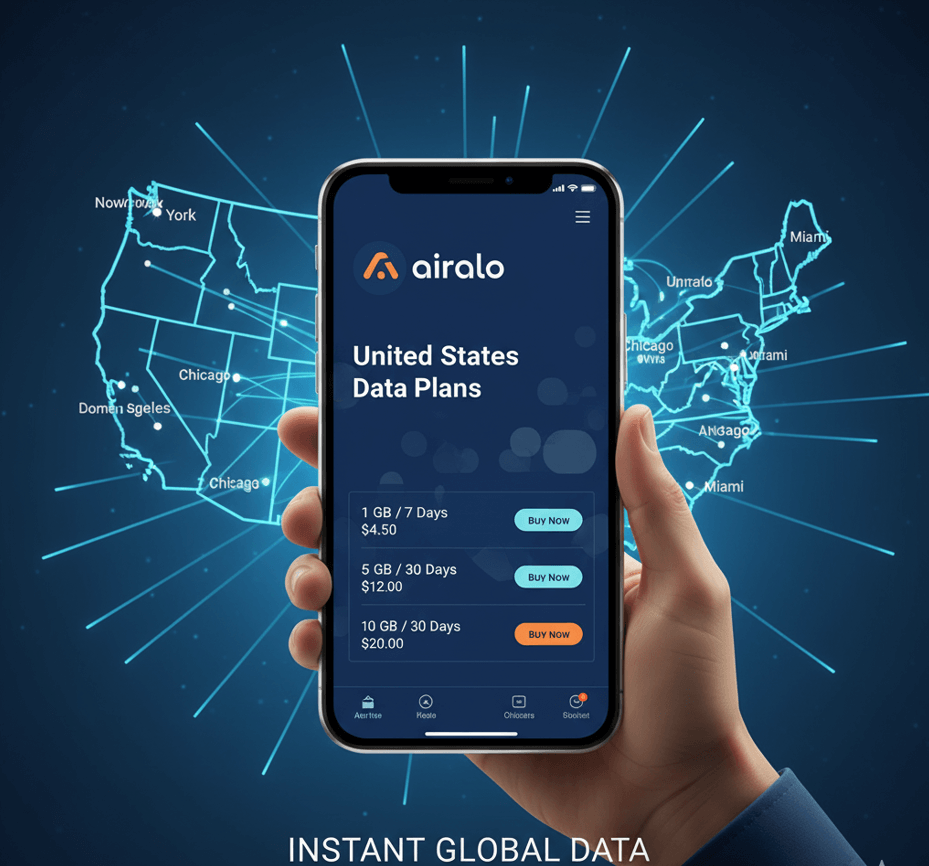
Airalo app dashboard and plan selection screen
Nomad: App-First, Flexible Data Plans
Nomad positions itself as a modern, user-friendly eSIM provider with an emphasis on app experience, clear pricing, and regional flexibility. With coverage across 200+ destinations, it appeals to remote workers and travellers who appreciate an intuitive setup.
Users highlight the simplicity of activation (buy → scan → connect) and the strength of visuals in the mobile interface. The pricing often undercuts traditional roaming and even some local SIM options, especially in promotional periods.
One drawback is that some of the lower-priced plans may have smaller data allowances, which may require careful monitoring or additional top-ups. Also, voice and SMS support may not always be included in basic offerings.

Nomad eSIM installation process and plan management
Saily: Budget-Friendly & Security-Focused
Saily appeals particularly to cost-conscious users and professionals who prioritize data over voice services. Backed by a company with strong privacy credentials, it emphasizes secure connectivity and value.
Reviewers praise its straightforward setup, strong user experience, and attractive pricing for light to moderate data usage. It’s a suitable choice for users who travel regularly, work remotely, and don’t necessarily need full voice capabilities.
As with other data-oriented eSIMs, if voice/SMS or multi-number support is critical, verifying those features in the specific plan is important. Coverage in more remote locations may also lag behind the major global carriers.
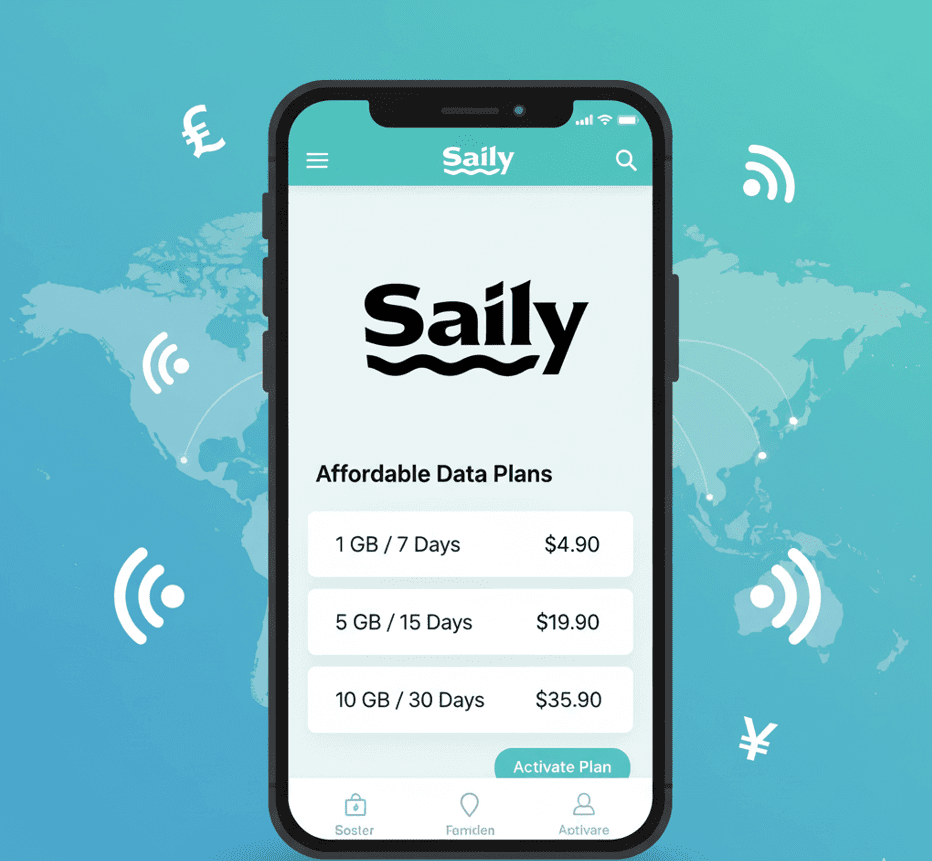
Saily eSIM-ready device and activation overview
Detailed Comparison: Features That Matter
While all three providers deliver digital eSIM access, the differences emerge in plan structure, data volume, destination support, activation experience, and value. The table below helps spotlight those differences with clarity.
| Feature | Airalo | Nomad | Saily |
|---|---|---|---|
| Global / Regional Coverage | 200+ countries/regions | 200+ destinations | ~200+ destinations, emphasis on popular markets |
| Data vs Full Service | Primarily data-only; some voice/SMS optional | Mostly data-only; voice/SMS vary | Data-first, voice/SMS limited |
| Ease of Activation | App + QR code; widely praised | Very intuitive interface; promo deals available | Quick install; strong help resources for data-users |
| Pricing & Value | Wide plan range; higher value for travellers | Competitive pricing; frequent promotional plans | Lowest-entry cost for data-only users |
| Device/Profile Management | Supports multiple profiles; user friendly | Strong mobile app for management and switching | Solid management for data-users; enterprise features evolving |
| Ideal For | Frequent global travellers & multi-destination trips | Remote workers, multi-stop travellers, and tech-savvy users | Budget travellers, data-focused professionals, U.S. domestic/short-stay users |
Use this comparison as a starting point — your specific destination, device compatibility, data demands and support needs will determine which provider offers the best fit for you.
Use Cases: Choosing the Right Provider for Your Scenario
Global Multi-Continental Travel
If your travel itinerary spans multiple continents — for instance, the U.S., Europe, Asia and Africa — you’ll want the widest destination coverage, strong activation reliability and flexible regional plans. In this scenario, Airalo stands out thanks to its global breadth and configuration options. That said, Nomad remains highly competitive; its simplicity and mobile UX are valuable when speed and ease matter most. Saily is viable if your data needs are modest and voice features are less critical.
Remote Work / Digital Nomad Lifestyle
If you’re working from abroad, co-working spaces, or traveling for longer stretches, data reliability, hotspot support and plan renewal flexibility become key. Nomad’s strong interface and regional focus may be ideal here; Airalo offers global reach; Saily serves as a cost-effective alternative for moderate usage.
Business Travel & Corporate Deployment
For organizations sending employees abroad or managing multi-country connectivity, you’ll value centralized dashboard control, plan management, rapid deployment and cost transparency. Airalo offers many enterprise-friendly features; Nomad blends ease with solid corporate usability; Saily fills a niche for smaller teams or data-centric deployments with tight budgets.
Domestic U.S. Travel & Backup Lines
Even for U.S.-based users, eSIMs provide value. Whether for cross-state trips, backup mobile data, or hotspot sharing, any of the three providers can serve. In such cases, pricing, customer support, and ease of switching matter more than global coverage.
Activation & Setup: Step-by-Step
Step 1 – Choose a Plan
Select a data plan that fits your destination(s) and usage needs. Look for validity period, data volume and network coverage.
Step 2 – Receive Activation
After purchase, the eSIM profile will arrive via email or the provider’s app in the form of a QR code or link.
Step 3 – Install the Profile
On your device go to Settings → Cellular → Add eSIM/Install Plan. Scan or upload the profile and follow prompts.
Step 4 – Activate & Connect
Once installed, your device connects to the local or regional carrier automatically — you’re online instantly. Use the provider’s dashboard to monitor usage or top-up.

Security & Privacy Considerations
When data is your business, protecting it matters. eSIMs offer digital profile management, encrypted delivery, and fewer vulnerabilities than physical cards. They are especially appealing for corporate users or individuals handling sensitive information.
Key security features include remote wipe/deactivation if a device is lost, strong carrier authentication, and reduced risk of fraud or cloning. U.S. users travelling abroad or working remotely should check the provider’s encryption standards and device-management capabilities.

Visual representation: Digital security & eSIM profiles
Pricing & Value for U.S. Users
For U.S. consumers and travellers, value means more than low cost — it means full understanding of what you’re paying for, how many GBs you’ll get, how long the plan lasts, and how well the network performs at your destination.
While exact pricing evolves, here’s a snapshot of what to expect:
- How many GB of data for the price? Look for good ratio of data to cost.
- Validity period — is it 7 days, 30 days, or longer? Does unused data expire?
- Is the assumption of high-speed data fair, or is throttling applied after threshold?
- Are hotspot/tethering features allowed if you need to share connection?
- How strong is the network in your destination — 4G only or 5G included?
In real use, many U.S. travellers report data-only plans from these providers costing significantly less than traditional roaming, sometimes by 60-80%. That said, if you need full mobile number service (voice/SMS) or travel beyond common tourist destinations, those factors may influence your choice.
Coverage, Speed & Network Quality
Strong coverage means more than just “country listed.” It means real-world signal strength, network partner priority, and compatibility with local mobile infrastructure. U.S. users going abroad should verify the provider’s carrier partners in that destination and the type of network (4G vs 5G).
In many major destinations, all three providers perform well. In more remote or rural areas, differences can surface. Reviews indicate that Airalo tends to lead when destination breadth really matters, while Nomad and Saily hold up well in more common travel zones. Speed may depend heavily on the local carrier, plan tier, and whether peak times slow networks.



Choose Saily for ultimate privacy & security!
Get Saily Now – Secure eSIM →(Affiliate – supports us.sylvarahub.com)